


Note: This is the 3rd in a series examining corporate performance art. The first two covered process and measurement. This one covers belief — the most dangerous system of all.
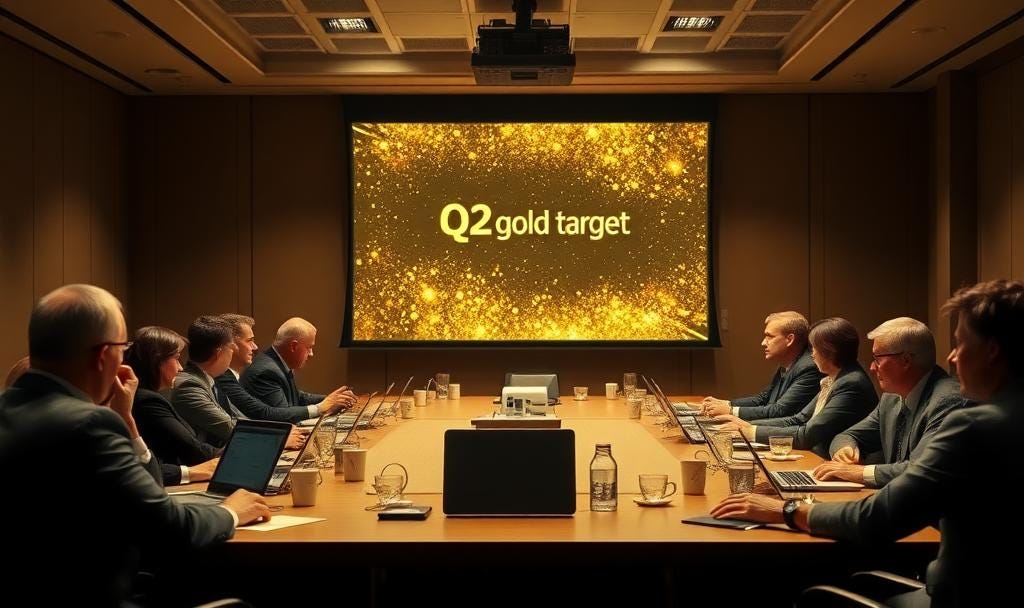
The curtain always rises the same way on the webinar: an executive thanks everyone present for their efforts on behalf of the company for their work last year. Next, they mention increasing pressure from “market volatility,” while simultaneously promising the team can defy it through discipline, innovation, and the sheer moral superiority of the leadership team.
The kingdom is uneasy, the markets unpredictable, and the High Leaders gather to declare that, while others may falter, their team will not. The air hums with recycled optimism. Heads nod as they speak of discipline, synergy, and focus—principles meant for the people below them, presented as faith, but functioning as distance.
They unveil the plan: an ambitious transformation fueled by focus, efficiency, and what might charitably be called corporate alchemy. The idea is elegant in theory — achieve more with less, deliver growth and savings in the same breath. It’s presented as innovation, a triumph of discipline and clarity over limitation. The language is so confident, so practiced, that for a moment it feels almost achievable.
The forecast is gold. The resources, inevitably, are lead.
Everyone understands the math doesn’t work, but that’s not the point. The exercise isn’t about precision; it’s about belief. The leaders frame it as agility, as the organization’s ability to “do more with what we have.” The middle layers translate this into commitments, careful adjustments, and just enough optimism to keep the process moving. It’s part performance, part survival — the delicate art of turning contradiction into alignment. What emerges is less a strategy than a shared illusion: a version of the future everyone agrees to believe in long enough to get through the meeting.
Thus begins the Fellowship of the Stretch Goal: a loyal band charged with achieving the impossible through willpower, PowerPoint, and denial of obvious truths.
The decree spreads quickly. Memos multiply, meetings spawn, and local leaders gather their teams to interpret the new commandments. Schedules are rewritten. Charts are redrawn. The familiar phrases return like ghosts from quarters past: With creativity and focus, we can do this.
No one says aloud that it would require time travel.
The work begins, as it always does. Supervisors stretch schedules past reason. Managers submit the same resource requests that will quietly die in the approval queue. Analysts scrub data until it looks less incriminating. Everyone performs the small, daily miracles required to keep a doomed plan alive.
At first, it almost works. Early numbers flicker upward if viewed from the right angle. But miracles demand repetition. When progress slows, the High Leaders demand urgency. They summon passion, resilience, and “ownership.” Excellence, they remind everyone, is a choice—a statement that always sounds noble when spoken by someone who doesn’t bear the consequences.
By mid-quarter, exhaustion is the only measurable improvement. What can’t be done is done anyway, and what breaks is hidden under words like efficiency and optimization. The people closest to the work realize that the company’s real product isn’t what it sells—it’s the illusion of control.
Then comes the review. Each site presents its numbers in turn, standing before the Council of Performance like villagers before a tribunal. The High Leader frowns at the charts, as if the red ink were an act of defiance. “Walk me through your plan,” he says, voice calm, eyes tired. “What’s standing in your way?”
They tell him. He doesn’t listen. Shortages sound like excuses. Fatigue sounds like lack of commitment. The problem, as always, isn’t the plan—it’s the people.
After the meeting, a cheerful note appears thanking everyone for their candor and celebrating “our relentless pursuit of excellence.” It closes with the good news that next quarter’s targets will be even more ambitious. The problem, apparently, was belief.
This is corporate anti-alchemy—the conviction that reality will yield to willpower. In the old days, alchemists tried to turn lead into gold with mysticism and fire. Today’s executives do it with confidence and calendar invites. The materials have changed; the hubris hasn’t.
No one sets out to deceive. They truly believe a strong vision and an all-hands meeting can overcome missing headcount and outdated, inefficient tools and systems. Faith in leadership has replaced feedback from the field. The organization no longer studies its problems; it auditions solutions that flatter the story it wants to tell.
By year’s end, the miracle still hasn’t arrived. Costs are up, morale is down, and the same people who spent the year performing operational gymnastics are told they “didn’t execute.” The slides are edited, the numbers reframed as progress, and the next prophecy begins. The market will be unpredictable, yes—but this team will be different.
And so the cycle repeats: lead distributed as gold, gold demanded as proof of loyalty, and anyone who points out the chemistry problem quietly reassigned to “special projects.”
Anti-alchemy isn’t a process—it’s a belief system. It feeds on conviction, punishes reality, and rewards those who can promise miracles without flinching. The rest of us polish the reports, tidy the residue, and pretend we don’t see the smoke.
Moral of the story
In business as in fairy tales, those who promise gold rarely touch the metal, and those who touch the metal rarely see gold.